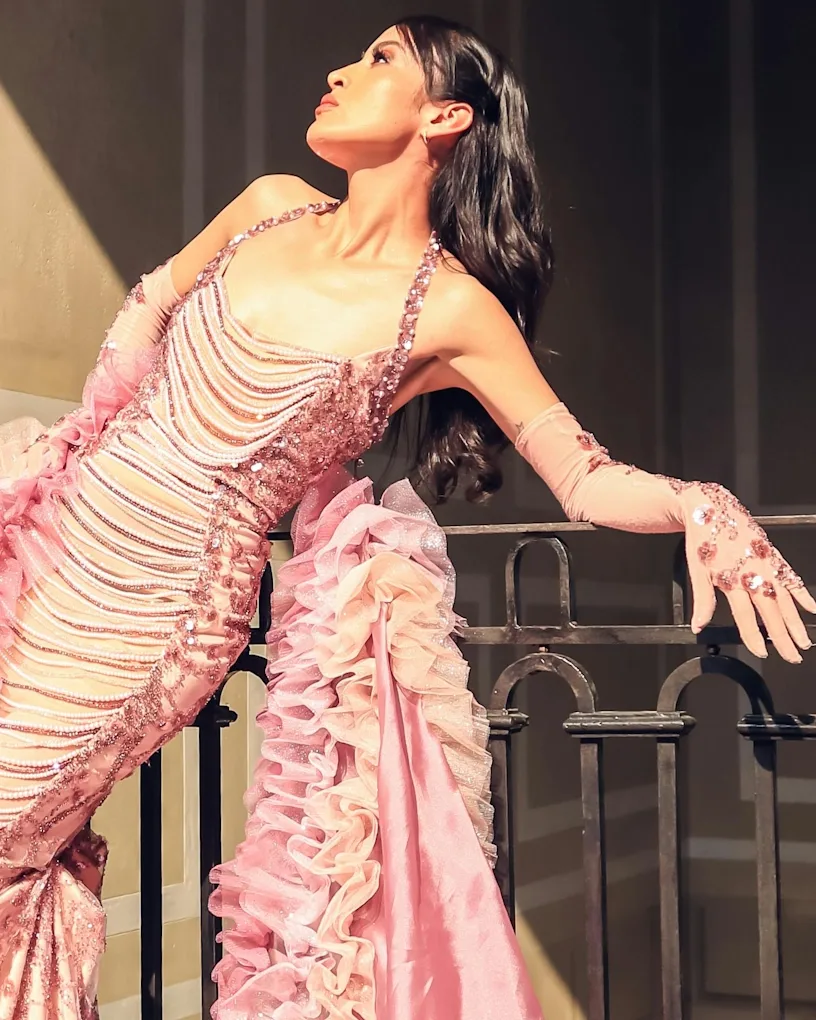
Most new models get this backwards. They shoot a lot, keep nearly everything, and end up with forty pictures in which the best eight are hard to find. The portfolio that gets someone booked is usually smaller and plainer than the one they started with.
What a portfolio is for
A modelling portfolio, or book, is a small set of your best photographs, chosen to show your range and what you look like. Chosen is the word that matters. It isn't an archive of every shoot you've done, and nobody reading it gives you credit for volume.
Most of it will live online now. Printed comp cards still turn up at agencies and castings, mostly for commercial work, but a freelance model in particular is judged on what someone finds when they look them up.
How many photos do you need?
Fewer than you think.
Starting out
- 8 to 12 strong pictures is plenty
- A book of ten excellent shots beats one of forty average ones
Established
- 15 to 25 pictures across different looks
- A mix of moods, light and wardrobe
- Refreshed at least every 12 months, because agencies notice when pictures are old
Every picture has to look like you do this month. Change your hair colour or cut it short and the old photos come out, however good they are. Turning up to a casting looking nothing like your book wastes everyone's time, yours included.
If a picture doesn't look like you do this month, it comes out, however good it is.
Work out where you fit first
A commercial book and an editorial book look quite different, so it helps to know which one you're building before you shoot.
Commercial
- Approachable, with broad appeal
- Real smiles, lifestyle settings
- Everyday clothes people would actually buy
Editorial and high fashion
- Striking, edgier features
- Fewer smiles and a wider range of expression
- Creative, sometimes avant-garde styling
Whichever it is, go easy on the retouching. Heavily filtered, airbrushed books get skipped. A real face and a clear sense of direction count for more than a polished book that tries to be everything at once.
The five shots to start with
A first book should cover these. Everything else can come later.
-
A clean headshot
Plain background, soft natural or studio light, very little make-up. This is the picture that says what you actually look like, and it's probably the most important one in the book. Don't skip it and don't over-edit it.
-
A half-body or three-quarter shot
This shows your proportions and how you hold yourself. Keep it clean and confident. Commercial clients often look at this one first.
-
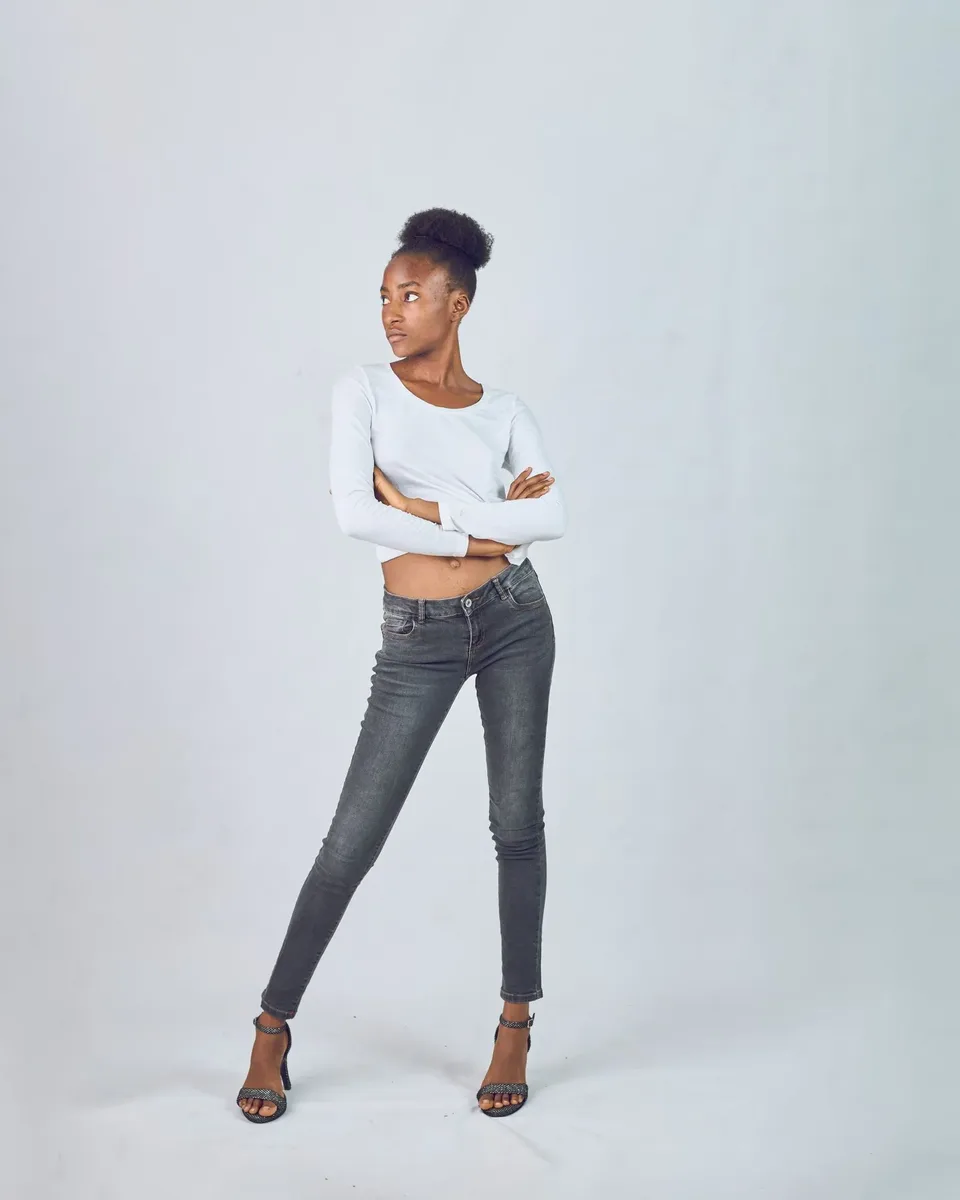
A full-length shot
Fashion and commercial work both need it: posture, body language and how clothes hang on you. Studio or location, either works if it's done well.
-
A fashion or editorial picture
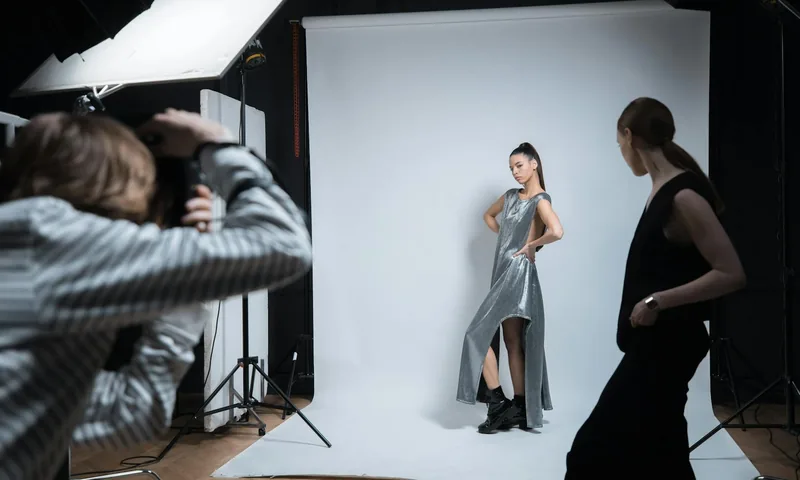
Something with an idea behind it. It shows you can take direction, work with a team and do more than stand in front of a camera. A styled shoot is the usual way to get one, and a TFP shoot (below) is the usual way to get a styled shoot.
-
One that shows your personality
Agencies always ask for this one and beginners nearly always leave it out. A laugh, a smile, some movement: a picture that feels unposed and tells whoever is looking that there's a person behind the face.
Do you need a professional photographer?
Yes, but you don't necessarily have to pay one.
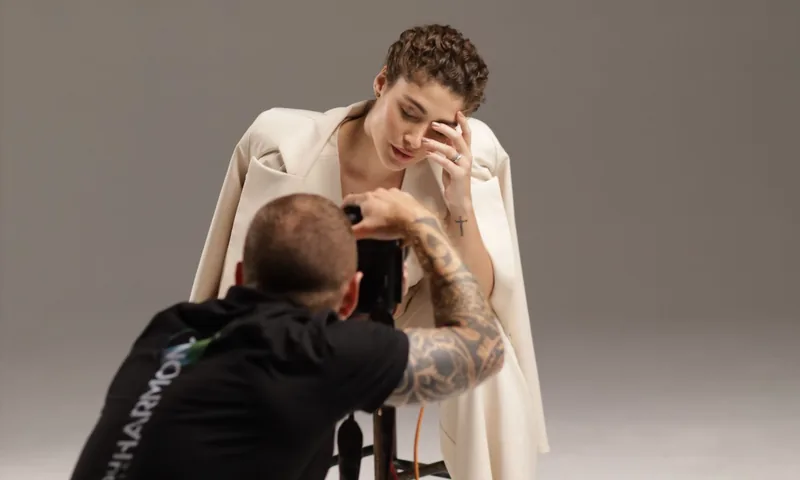
Most new models build their first book through TFP shoots. TFP stands for time for portfolio, and you'll also see it written TF or TFCD. The model and the photographer both work unpaid, and both get to use the pictures. It's a normal arrangement at every level, and plenty of working models still do the odd TFP shoot to try a new style or to work with a photographer they like.
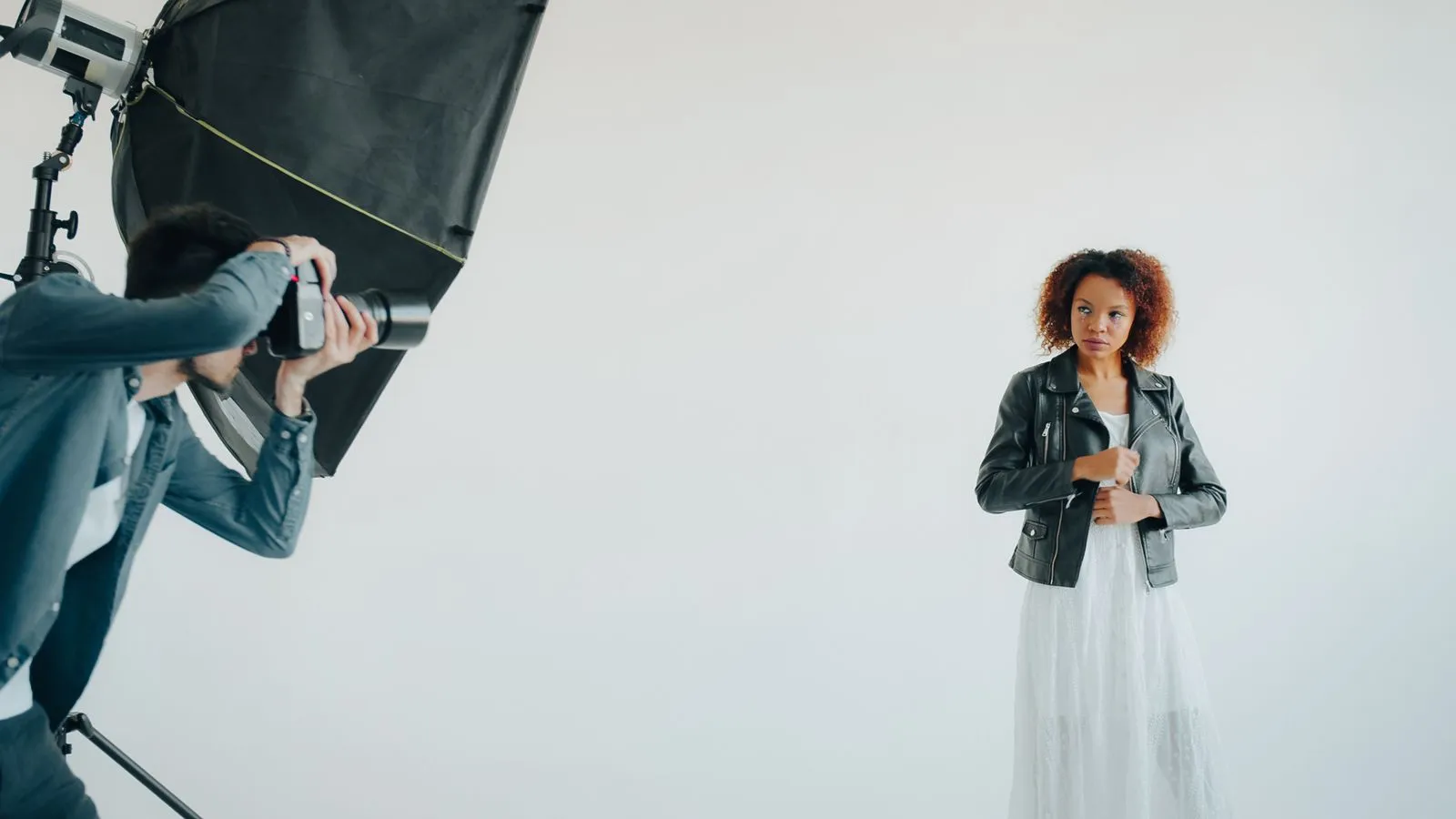
On SaltBrite, photographers say on their profile whether they work for pay only, will do TFP as well, or decide job by job.
Before you agree to a TFP shoot
- Go through the photographer's portfolio properly. Is the quality there all the way through?
- Ask models they've worked with how it went.
- Meet somewhere public first, or bring a friend to the shoot.
- Settle who owns the pictures, and how each of you can use them, before the shoot.
What to bring: the model bag
Turning up prepared is the first thing a photographer notices about you. Keep a bag packed with these.
- Seamless nude underwear, so nothing shows under tight, white or sheer clothes.
- Plain blue or black jeans that fit well, and a white and a black T-shirt or vest.
- Clear lip balm, a light moisturiser and make-up wipes. Arrive with a clean face unless you've been told otherwise.
- Comfortable shoes you can walk in, plus classic black or nude heels if your kind of work calls for them.
- Hair ties, neutral pins and a brush, so the look can change halfway through.
Online or printed?
You may want both in the end, but start online.
Online
- A profile on a modelling site
- A tidy Instagram, because clients do look
- A simple site of your own if you're serious about commercial work
A printed comp card
- Still used by agencies and at castings
- Usually A5 (148 x 210 mm), with your best headshot on the front
- Two or three more pictures on the back, with your stats and contact details
- Cheap to print through Vistaprint or similar
A SaltBrite profile does most of a comp card's job: your photos, and for models your age, height and measurements, shown in metric and imperial.
What does a portfolio cost?
It depends almost entirely on how you go about it.
- TFP: nothing for the photography, but perhaps £50 to £200 for clothes, travel and basic styling.
- Paying a photographer: £100 to £400 for a half day with someone experienced in portfolio shoots.
- A photographer an agency sends you to: some agencies have ones they prefer. Expect £200 to £500.
- Comp cards: £20 to £50 for a run of 50 to 100.
One warning. If an agency wants a large fee up front to shoot your portfolio before it has signed you, walk away. It's one of the oldest scams there is. A real agency makes its money when you make yours.
Mistakes to avoid
- Over-editing. Retouching that removes skin texture, reshapes your face or changes your eye colour causes trouble the moment you turn up in person.
- Selfies and poor phone shots. One professional picture is worth more than twenty selfies.
- Styling that dates you. Keep the book current.
- Not enough range. Ten near-identical pictures in the same light show one picture ten times.
- Waiting until it's perfect. It won't be. Start with what you can shoot now and swap pictures out as better ones come in.
Keep it moving
Models with long careers don't build a book once and leave it. They keep shooting and they keep cutting. Two or three new shoots a year is a sensible target even once you're established, because it keeps the book current, you meet more people, and you always have something new to send.
And when you do a paid job, ask whether you can use the pictures in your portfolio. Most clients say yes, and pictures from real jobs carry a lot of weight with the next person who looks.
Questions people ask
How many photos should a new model's portfolio have?
Eight to twelve strong pictures is plenty to start with. Ten excellent shots will do more for you than forty average ones. Established models usually keep 15 to 25 across different looks and update them at least once a year.
What photos should be in a modelling portfolio?
Start with five: a clean headshot, a half-body or three-quarter shot, a full-length shot, a fashion or editorial picture with an idea behind it, and one that shows your personality. The headshot matters most, so keep it simple and don't over-edit it.
What is a TFP shoot?
TFP means time for portfolio, and you'll also see TF and TFCD. The model and the photographer both work unpaid and both get to use the pictures. It's how most new models build a first book. Look through the photographer's work, meet somewhere public first, and settle who owns the pictures before you shoot.
How much does a modelling portfolio cost?
On the TFP route the photography is free, but clothes, travel and basic styling might cost £50 to £200. A half day with a paid portfolio photographer is usually £100 to £400. Walk away from any agency that wants a large fee to shoot your book before it has signed you.
Join SaltBrite
Put your book where it can be seen
Join as a model, add five photos and a person reviews your profile before it goes live.
Join as a model