The short version: work out which kind of modelling suits your look, get eight to twelve good pictures (usually through unpaid shoots with photographers who want pictures too), decide whether you want an agency or would sooner book yourself, and don't pay anyone who asks for money before you've earned any. The rest of this page takes those one at a time.
Is this for you?
The picture most people have of modelling (the supermodel, the six-figure cosmetics campaign, the magazine cover) is a fraction of a percent of the industry. For most working models it's early call times, repetitive e-commerce shoots, jobs for local brands and years spent building a reputation. That isn't a bad thing. It can be rewarding, flexible work. You'll save yourself a lot of frustration by knowing it before you start, though.
The models who make a lasting career of it tend to have a few things in common. They're reliable, they take direction without ego, they put time into getting better at it, and they run it as a freelance business. They treat every shoot like a job interview, because it is one.
The kinds of modelling
Modelling isn't one job. It's a handful of quite different ones, each with its own look, its own requirements and its own rates. The rigid standards of the 90s are fading, and there's room now for far more kinds of look than there was.
Commercial
The bread and butter of the industry: catalogues, adverts, lifestyle campaigns, stock photography. Commercial clients want someone people can relate to more than a high-fashion face, because the girl-next-door look sells products. Height and size requirements are looser than for runway or editorial.
Fashion and editorial
Magazine shoots, lookbooks, runway shows. It's what most people picture, and it's the most competitive part of the business. Agencies here usually have strict requirements for height, measurements and facial symmetry. The market is small and a lot of people are after the same jobs.
Alternative and creative
Tattoos, unconventional looks, dark or artistic styles. This is one of the fastest-growing parts of the industry, pushed along mostly by social media and by brands changing how they think about diversity. If you don't fit the traditional mould, it may be where you belong. Our alternative modelling guide goes further.
Plus size and curve
Major brands and agencies represent far more curve models than they used to. The market is growing, and the jobs are proper commercial work, not token inclusion.
Fitness and sports
Health brands, activewear, supplements, sporting events. It's less about traditional beauty and more about physique, energy and lifestyle. It often pays well, and it tends to attract models who care about fitness anyway.
Parts
Hands, feet, hair, eyes: single features shot close up for product photography. Demand is steady and beginners tend to overlook it. If you have exceptional hands or striking eyes, there's a market for them.
The models who burn out fastest are the ones trying to fit every brief. Find the niche that suits your look and commit to it.
Do you need an agency?
It depends on what you want and where you are right now.
-
Why you might want one
An agency gets you through doors you can't open yourself. It also has the awkward conversations about money, chases late invoices and keeps you out of exploitative contracts. For high fashion, runway or the biggest commercial campaigns, an agency is close to mandatory.
-
Why going solo works
Freelance modelling is more viable than it has ever been. Social media lets you skip the traditional gatekeepers and pitch to clients directly, you keep your whole day rate, and your schedule is your own. Small and medium-sized brands in alternative, fitness and lifestyle often prefer freelancers, because there's no agency fee to pay.
-
Doing both
Plenty of the smartest models do both. They sign a non-exclusive agency contract for the bigger commercial jobs and stay free to book smaller local work themselves. Once you have some experience behind you, that's usually the best arrangement.
A model's profile on SaltBrite has a place to name their agency if they have one, and nobody needs one to join.
Your portfolio comes first
Agency or freelance, everything else rests on your portfolio. Before you approach anyone (an agency, a client, a photographer) you need something to show them.
A first portfolio doesn't have to be big. Eight to twelve strong, varied pictures is plenty. What matters is that they're good, that they show some range, and that they look like you do today.
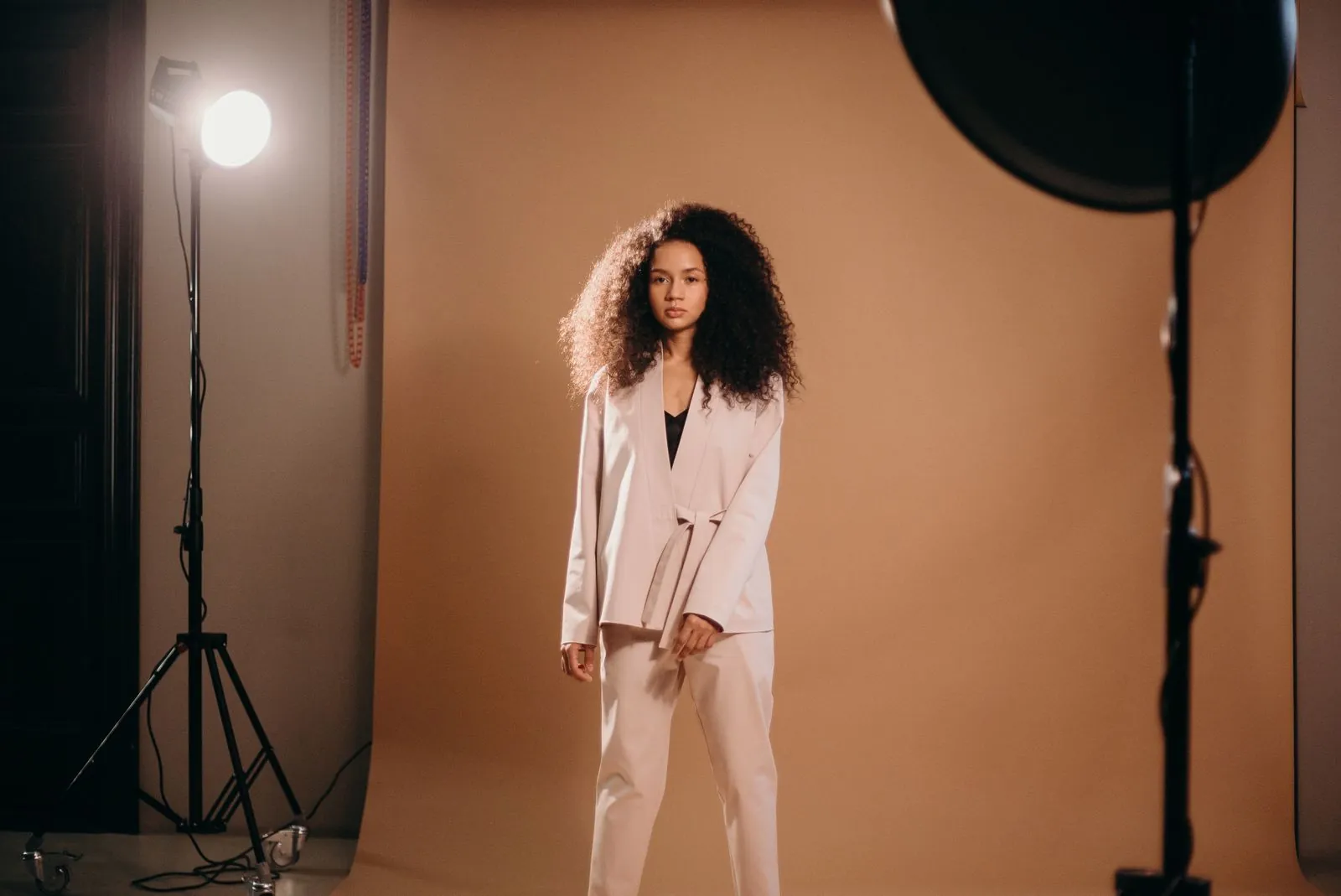
Most new models get those pictures through TFP shoots. TFP stands for time for portfolio: the model and the photographer both work unpaid, and both get the pictures. It's a legitimate arrangement and it's used at every level of the industry.
How to build a modelling portfolio covers what the book needs, how to find photographers to work with and what a shoot should cost, and how to work with a photographer covers the day itself. On SaltBrite you need five photos before your profile is reviewed, and you can keep up to 50.
How to approach an agency
If you've decided you want one, do it properly.
Research before you submit
No agency suits every model. Look at the models an agency represents now. Is there a clear look? Do they work in your niche? Sending pictures to an agency that doesn't take your type wastes your time and theirs.
Follow their process exactly
Most agencies say on their website how they want submissions: a form, an email address, particular photos. Do exactly what it says. Agencies get hundreds of submissions, and one that ignores the instructions is dismissed quickly.
What to send
- A clean, unretouched headshot in natural light, with minimal make-up and your hair off your face.
- A full-length shot that shows your natural proportions.
- Your basic stats: height, measurements, dress size, shoe size, hair and eye colour.
- Your age and where you live.
- A short, professional note about your experience and what you're looking for.
What to expect
Most agencies don't reply to every submission, and no reply means no. Don't take it personally. Apply to several, keep working on your portfolio in the meantime, and try again in a few months if you hear nothing. The industry is subjective, and timing matters more than most people realise.
How to get signed by a modelling agency goes into choosing agencies and following up.
Scams to watch out for
This may be the most useful section on the page. Entry-level modelling attracts far more than its share of scammers, and knowing how they work protects your money, your safety and your time.
-
The upfront portfolio fee
A "scout" approaches you in person, on social media or by direct message, says you have real potential and offers to get you signed with an agency. The catch is that you have to pay for a portfolio shoot with their "recommended photographer" first, and the fee can run to hundreds or even thousands. Legitimate agencies don't ask you to pay for anything before they sign you. If someone wants money before you've earned a penny, walk away.
-
The fake agency
An official-looking website, professional branding, an impressive list of claimed clients, and no track record you can check. Before you sign with any agency, research it thoroughly. Look for models it has placed in real jobs you can verify. Check industry forums. Ask to speak to models already on its books. If it won't give you references, you have your answer.
-
The "exposure" photographer
Not strictly a scam, but worth knowing about. Some photographers offer exposure, social media promotion or vague future opportunities in return for a free or very cheap shoot. Occasionally that's worth having. More often the pictures sit in a portfolio that goes nowhere, and you've given a day's work for nothing you can use. Look at the photographer's existing work and their reach before you agree to anything.
-
Unsafe shoots
Be wary of anyone who wants you to shoot alone in a private place with someone you've never met, or who pushes for nudity or semi-nudity that wasn't discussed and clearly agreed beforehand. Reputable photographers expect professional boundaries and respect them. Always tell someone where you're going, think about bringing a chaperone to your first few shoots with a new photographer, and trust your instincts if something feels off.
If someone wants money before you've earned a penny, walk away.
The same goes for any offer that looks a bit too good to be true. Real breaks in this business come from hard work and from knowing people. They don't come from a stranger in a coffee shop offering you the world.
On SaltBrite a person checks every profile before it goes live, and members can say publicly whether they'd recommend someone.
Your social media
Your social media is part of your portfolio whether you like it or not. Clients and agencies look you up before they answer a submission or a booking enquiry, and what they find matters.
You don't need a huge following. A few thousand followers who engage are worth more than tens of thousands who don't. What you do need is a feed that looks deliberate: clean photography, a consistent look, and nothing you'd be embarrassed for a client to see.
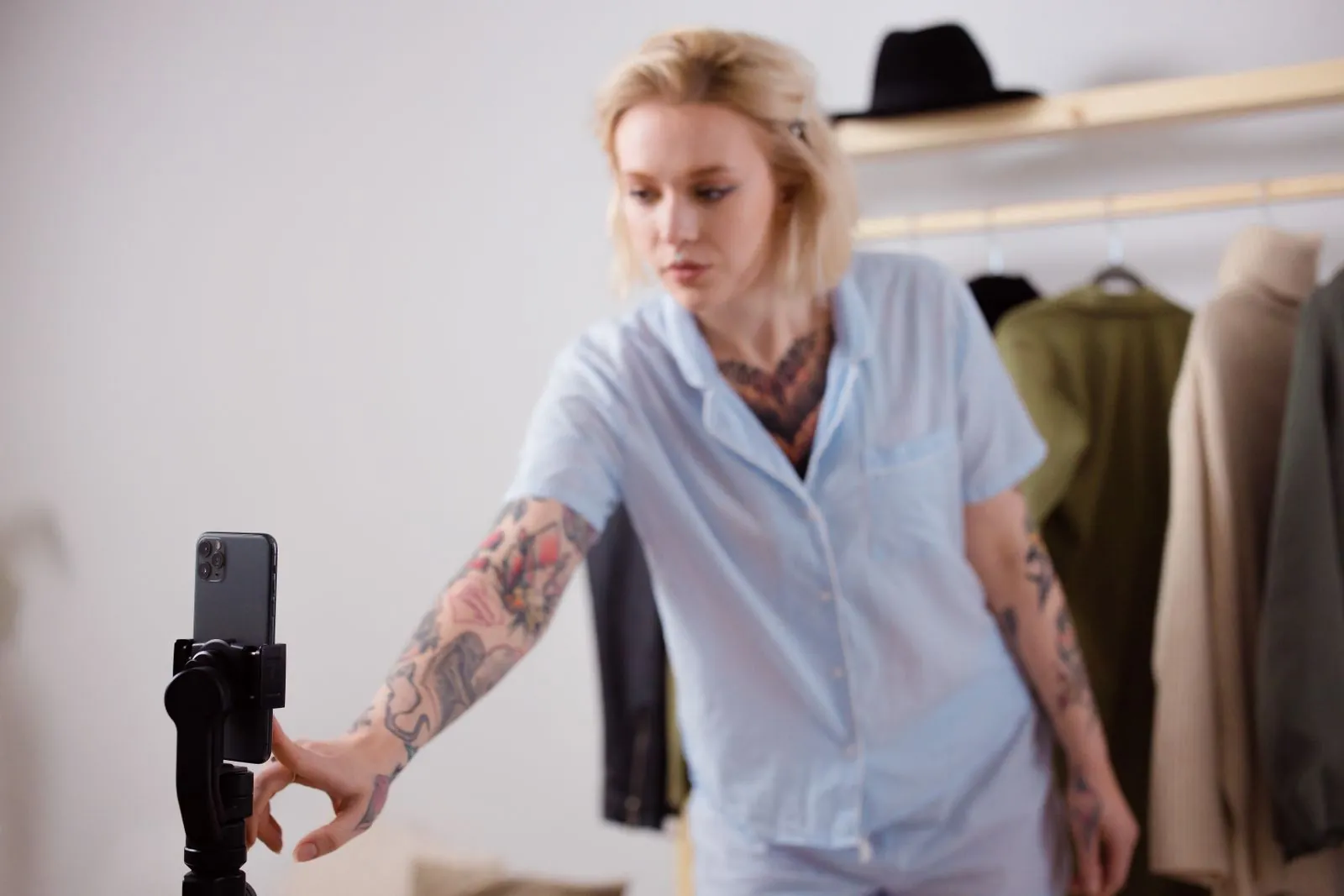
Instagram is still the main platform for models. A grid that makes your look, your range and your professionalism plain does a lot of the selling before you've said a word.
What you can earn
It varies enormously with your niche, your market and your experience, and with whether you're with an agency or freelance. Roughly:
- TFP and unpaid work is common at the beginning. You're paid in portfolio pictures, not money.
- Entry-level paid work is anywhere from £50 to £300 a shoot for local brands, e-commerce and smaller commercial clients.
- Established commercial models' day rates usually run from £300 to £1,500, depending on usage rights, the size of the client and the market.
- Major campaigns and high fashion can pay a great deal more, but that's a very small part of the industry.
Modelling rates explained goes through what to charge and why.
Most models have other work as well, especially in the first few years. It's healthier to treat modelling as a side income that can grow into something more than to bet everything on it from day one. Getting in is entirely doable. After that, most of it is turning up on time, taking direction and not giving up.
Questions people ask
Do I need an agency to become a model?
Not always. For high fashion, runway and the biggest commercial campaigns an agency is close to mandatory. Freelance modelling is more viable than it has ever been, and small and medium-sized brands in alternative, fitness and lifestyle often prefer freelancers. Many models do both, with a non-exclusive agency contract and their own smaller bookings.
Do I have to be tall to be a model?
No. Fashion and editorial agencies usually have strict requirements for height and measurements, but commercial modelling is more flexible about height and size, and alternative, curve, fitness and parts modelling each look for different things.
How many photos do I need to start modelling?
Eight to twelve strong, varied pictures that look like you do today. Most new models get them through TFP (time for portfolio) shoots, where the model and the photographer both work unpaid and both get the pictures.
How do I spot a modelling scam?
The usual one is a scout or an agency asking you to pay for a portfolio shoot before it signs you. Legitimate agencies don't ask for money up front. Be wary too of an agency with no track record you can check, and of anyone pushing for a shoot alone in a private place or for nudity that wasn't agreed beforehand.
Join SaltBrite
Put your book where it can be seen
Join as a model, add five photos and a person reviews your profile before it goes live.
Join as a model