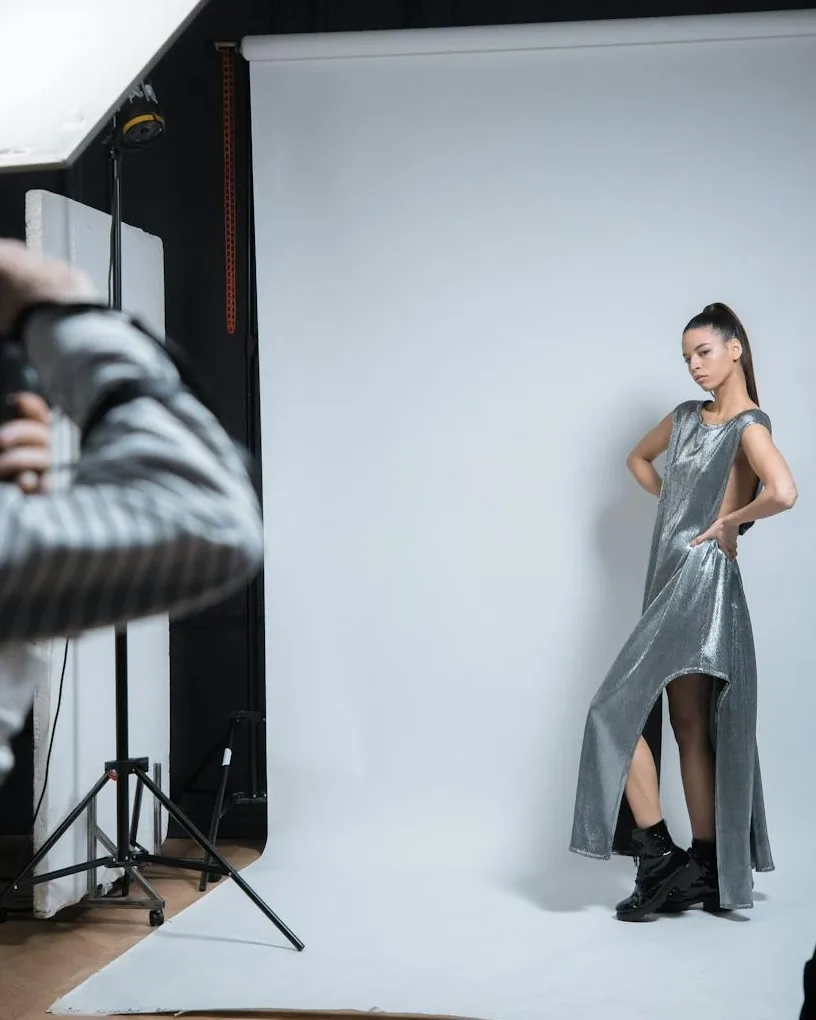
Most of what follows is unwritten: what to settle before the day, how to take direction without freezing up, and what to do afterwards so the photographer wants to work with you again. It's for first-timers, and for anyone who suspects they've become the model photographers quietly dread. If you haven't got a book yet, read how to build a modelling portfolio first.
Before the shoot
Most of a shoot's quality is decided before anyone picks up a camera. The models who get the best results, shoot after shoot, treat preparation as part of the job.
-
Agree the brief in writing
Before you confirm a shoot, make sure you both understand what's being made: the concept and mood, how many looks and in what style, the location, how long it will take, who owns the pictures and how they can be used. Ownership and usage catch people out on TFP shoots in particular, so settle them up front and there's nothing to argue about afterwards.
It doesn't have to be a formal contract for every TFP shoot. A short exchange of messages confirming the main points protects you both. SaltBrite members can message each other directly, which keeps that exchange in one place.
-
Research the photographer's style
Spend some time with the photographer's portfolio before the day. Look at how they use light, how they edit, and which poses and expressions keep turning up. That tells you roughly the energy and the look they'll want, so you arrive already on the same page and don't lose the first hour working each other out.
-
Plan your looks in advance
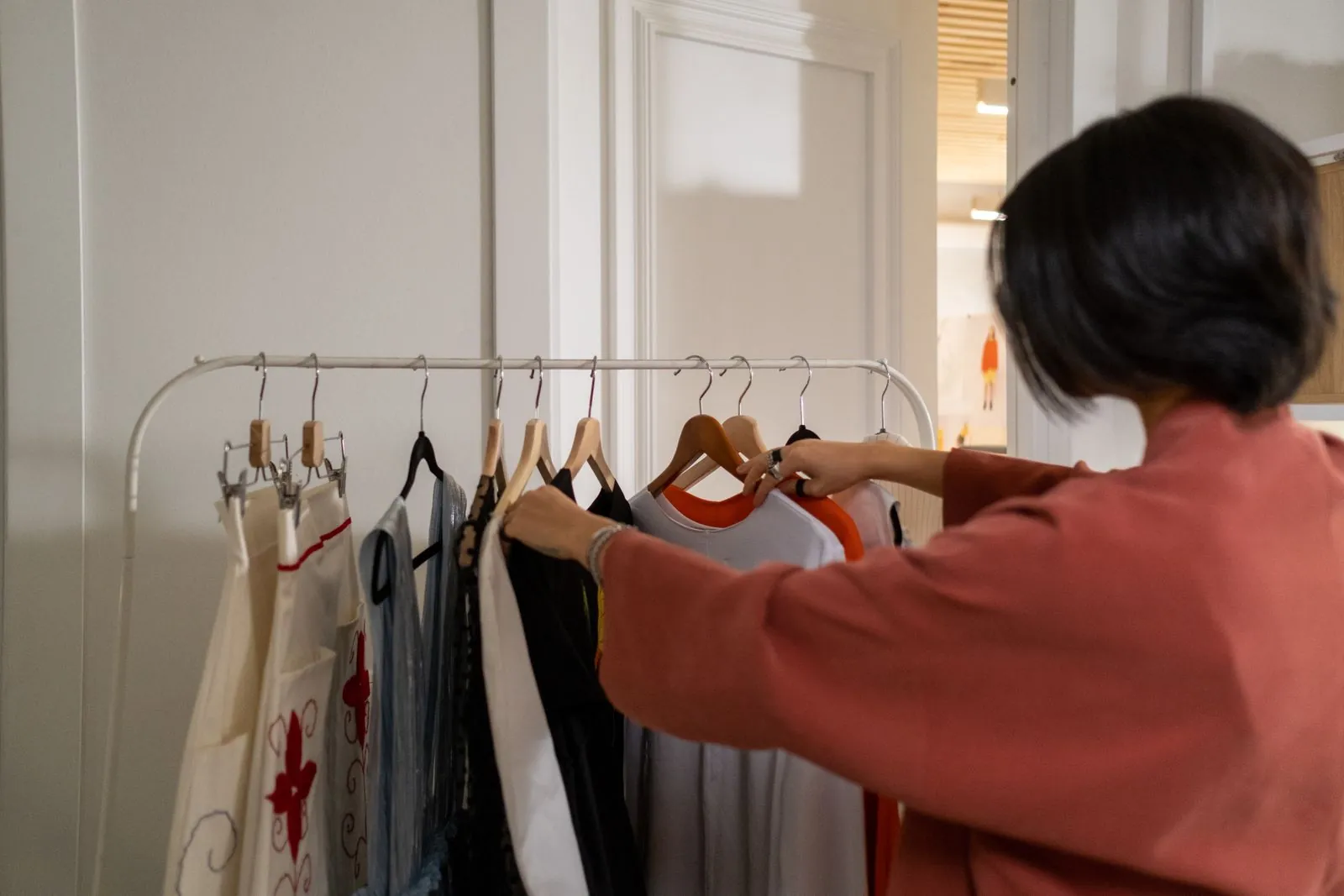
If the wardrobe is down to you, don't leave it until the morning of the shoot. Plan each look in full (outfit, shoes, accessories, hair and make-up) and check that everything fits, is clean and is pressed. Bring one or two backups in case something doesn't work on camera the way it did in the mirror. Changes between looks go much more smoothly when it has all been thought through.
-
Arrive on time and prepared
It sounds obvious, but being late is one of the fastest ways to damage a working relationship. Studios are booked to a schedule and natural light has a window. Keeping a photographer waiting, and possibly a whole crew, reflects badly on you whatever the reason. Allow extra travel time, especially to somewhere you haven't been before, and arrive ready to work, not still sorting yourself out.
-
Come in the right frame of mind
A shoot is a creative collaboration, and if you turn up stressed, distracted or in a bad mood, it shows in the pictures. Do whatever gets you there calm, focused and with some energy. Some models have a playlist for the journey. Others use the time to picture the looks they're going for. Find what works for you.
On set
Taking direction
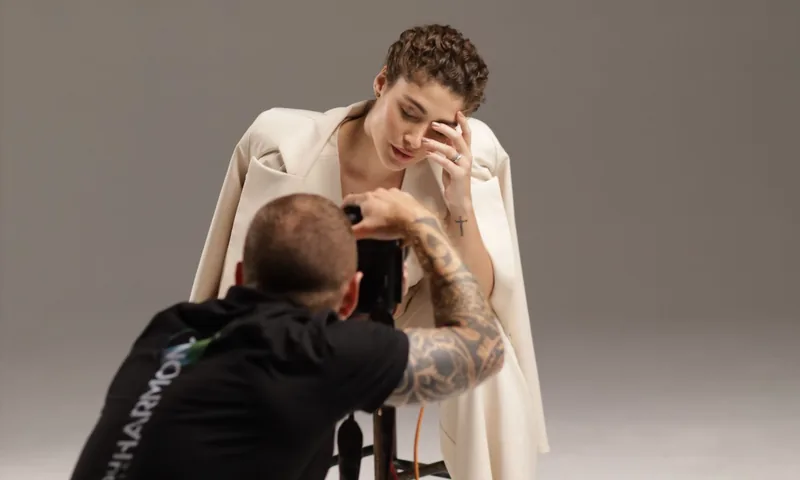
Taking direction quickly and accurately is one of the most valued skills a model can have, and one of the most underrated. When a photographer asks for an angle, an expression or a pose, they usually have a precise picture in their head, and your job is to get there with as little fuss as possible. A few things help:
- Listen to the whole instruction before you move. Don't start adjusting while they're still talking.
- Change one thing at a time when you're finding a position. Small adjustments are easier to work with than starting again every time.
- Ask if you're not sure what they mean. It's far better than guessing wrong several times over.
- Use a mirror when there is one. Knowing what you look like from the camera's side takes time to learn, and a glance between shots helps you correct yourself faster.
Offering ideas
The best shoots are collaborations. If you have an idea for a pose or an angle that fits the brief, offer it. Experienced photographers like a model who is creatively involved: the shoot is livelier for it, and it often produces the most interesting pictures. Read the room, though. If the photographer has a very specific plan and is moving through it quickly, follow their lead. If the mood is more exploratory, speak up.
Moving between shots
What happens between clicks of the shutter is one of the things that separates new models from experienced ones. Newer models tend to freeze in a position, wait for feedback and then reset. Experienced models keep moving a little (shifting their weight, turning the head, changing an expression), so the photographer has a continuous run of options to shoot instead of a series of static poses.
Practise moving slowly and deliberately in front of a mirror before your shoots. It feels awkward at first, and it looks completely natural on camera once you've done it a few times.
Saying what's working
Talking during a shoot makes everything easier. If something doesn't feel right (a pose is uncomfortable, a piece of wardrobe isn't working, the light doesn't seem to suit a look), say so. Most photographers would rather hear it from you than find it in the edit. And if something is working well, tell them that too. It helps you both settle on what's producing the best results.
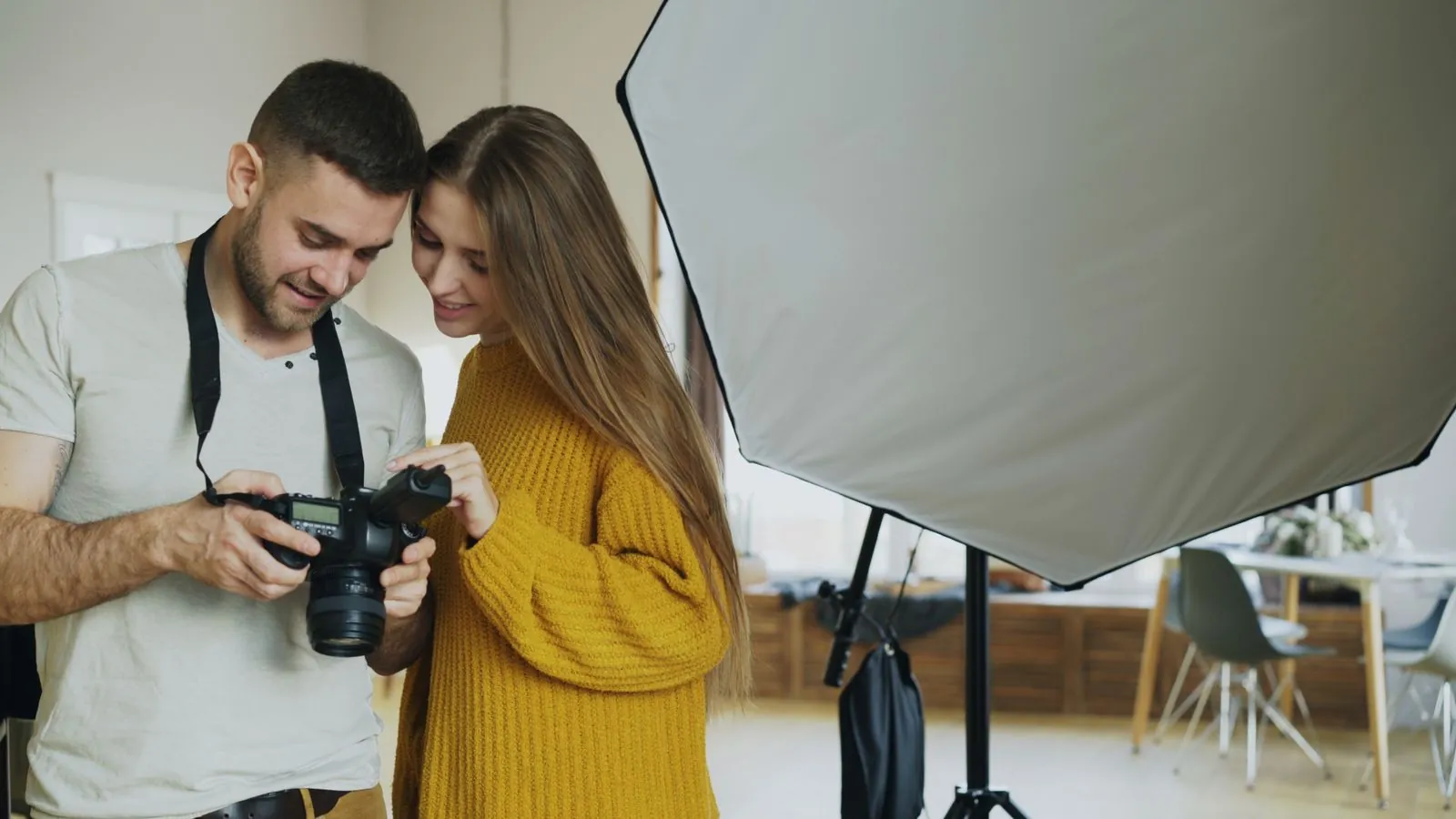
A photographer will rebook a solid model who brings good energy and takes direction before a stunning one who stands there like a mannequin, waiting for them to do all the work.
Knowing your limits, and saying them early
Before any shoot, know what you are and aren't comfortable with, and say so early. That covers wardrobe, poses, being touched to adjust a pose, and anything that wasn't in the original brief. You are never obliged to do something that wasn't agreed in advance, and any professional photographer will respect that. Being pushed past limits you've already stated is a red flag. You can pause a shoot, or end it, whenever you feel uncomfortable.
You are never obliged to do something that wasn't agreed in advance.
What to bring
A well-packed bag saves time on set and tells the photographer you're a professional the moment you walk in. For most shoots you'll want these.
Wardrobe
- All your planned outfits, steamed and ready
- Seamless nude underwear, so no lines show
- A clean white base layer and a clean black one
- The right shoes for each look
- A small sewing kit for emergencies
Beauty and grooming
- A clean face when you arrive, unless you've been told otherwise
- Light moisturiser and clear lip balm
- Make-up wipes for quick corrections
- Hair ties, pins and a brush for changes between looks
- A small mirror for checking yourself on set
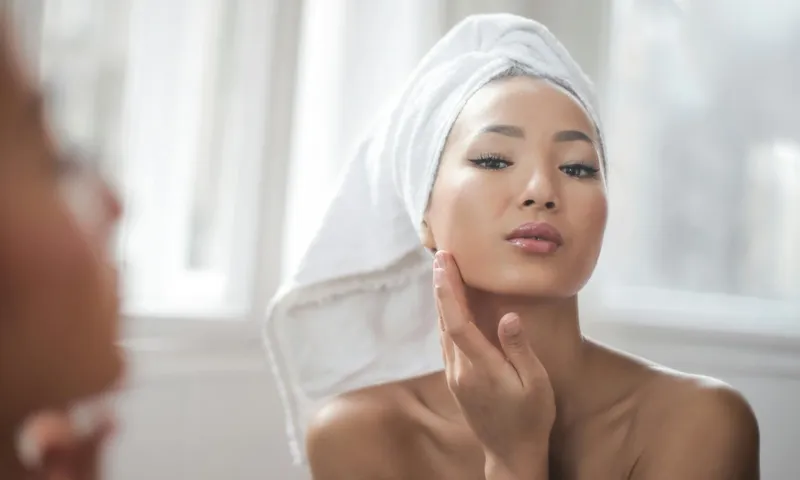
For the days before, see how to prepare your skin for a photoshoot and how to prepare your hair.
After the shoot
What you do afterwards matters more than most models realise. This is where a working relationship is either cemented or quietly dropped.
-
Follow up
Send a short message within 24 hours thanking the photographer and saying you're looking forward to seeing the results. Keep it brief and warm, without gushing. That alone puts you ahead of most models, who say nothing and wait for the pictures to turn up.
-
Agree when the pictures will arrive
If you haven't already talked about when the edited pictures will be delivered, ask now. Editing takes time: a few days for simple commercial work, several weeks for heavily edited editorial pictures. Agree a rough date so that you're not chasing and they don't feel pressured.
-
Use the pictures as agreed
When the pictures arrive, use them the way you agreed. If it was a TFP shoot and you both said portfolio use only, don't license them commercially or put them in paid promotions without going back to the photographer first. People notice these things in a small industry, and a reputation for keeping to agreements is worth more than any one picture.
-
Leave a review or offer a reference
If the shoot went well, offer the photographer a short testimonial or reference. Most will appreciate it and many will return the favour, and a record of good working relationships is one of the most useful things you can build over a career. On SaltBrite you can do it on their profile: say whether you'd recommend them and add a few lines.
-
Stay in touch
A photographer you've worked well with once is worth keeping in your network. They may have future briefs that suit you, and they know people who could bring you other work. Follow what they're doing, comment when you have something real to say, and get in touch now and then without asking for anything.
A reputation that gets there before you
Modelling and photography are smaller worlds than they look, and people talk. A model who is professional every time and easy to work with gets mentioned in conversations they'll never hear about, and those conversations lead to bookings.
It works the other way too. A model who is late, difficult on set or careless about agreements gets mentioned as well. A reputation, good or bad, travels faster than any portfolio.
So the aim is bigger than doing well on one shoot. You want to be the model photographers recommend without being asked, clients ask for by name and agencies are proud to represent. Being reliable, adaptable and professional will open far more doors than genetics could. Treat every shoot, the unpaid TFP ones included, as an audition for the next job, starting with the first.
Questions people ask
What should I agree with a photographer before a shoot?
The concept and mood, how many looks and in what style, the location, how long the shoot will take, who owns the pictures and how they can be used. For a TFP shoot a short exchange of messages confirming those points is enough, and it protects you both.
What should a model bring to a photoshoot?
All your planned outfits steamed and ready, seamless nude underwear, a clean white base layer and a black one, the right shoes for each look and a small sewing kit. For grooming: light moisturiser, clear lip balm, make-up wipes, hair ties, pins, a brush and a small mirror. Arrive with a clean face unless you've been told otherwise.
Can I say no to something during a shoot?
Yes. You are never obliged to do anything that wasn't agreed in advance, whether that's wardrobe, a pose, being touched to adjust a pose or anything outside the brief. Say what your limits are before the shoot, and pause or end it if you're pushed past them.
How long do photos take to come back after a shoot?
It varies: a few days for simple commercial work, and several weeks for heavily edited editorial pictures. Agree a rough date with the photographer so that you're not left chasing them.
Join SaltBrite
Put your book where it can be seen
Join as a model, add five photos and a person reviews your profile before it goes live.
Join as a model