What follows covers what alt modelling looks like now, how to put together a portfolio that gets noticed, and where the work comes from in a part of the industry that sets its own rules. If you're starting from nothing, read how to build a modelling portfolio first.
What alternative modelling is
Alternative modelling is an umbrella term for a wide range of looks, styles and niches. What they share is that they sit outside the conventions of mainstream commercial and high fashion modelling. Inside that loose definition there's a lot of variety.
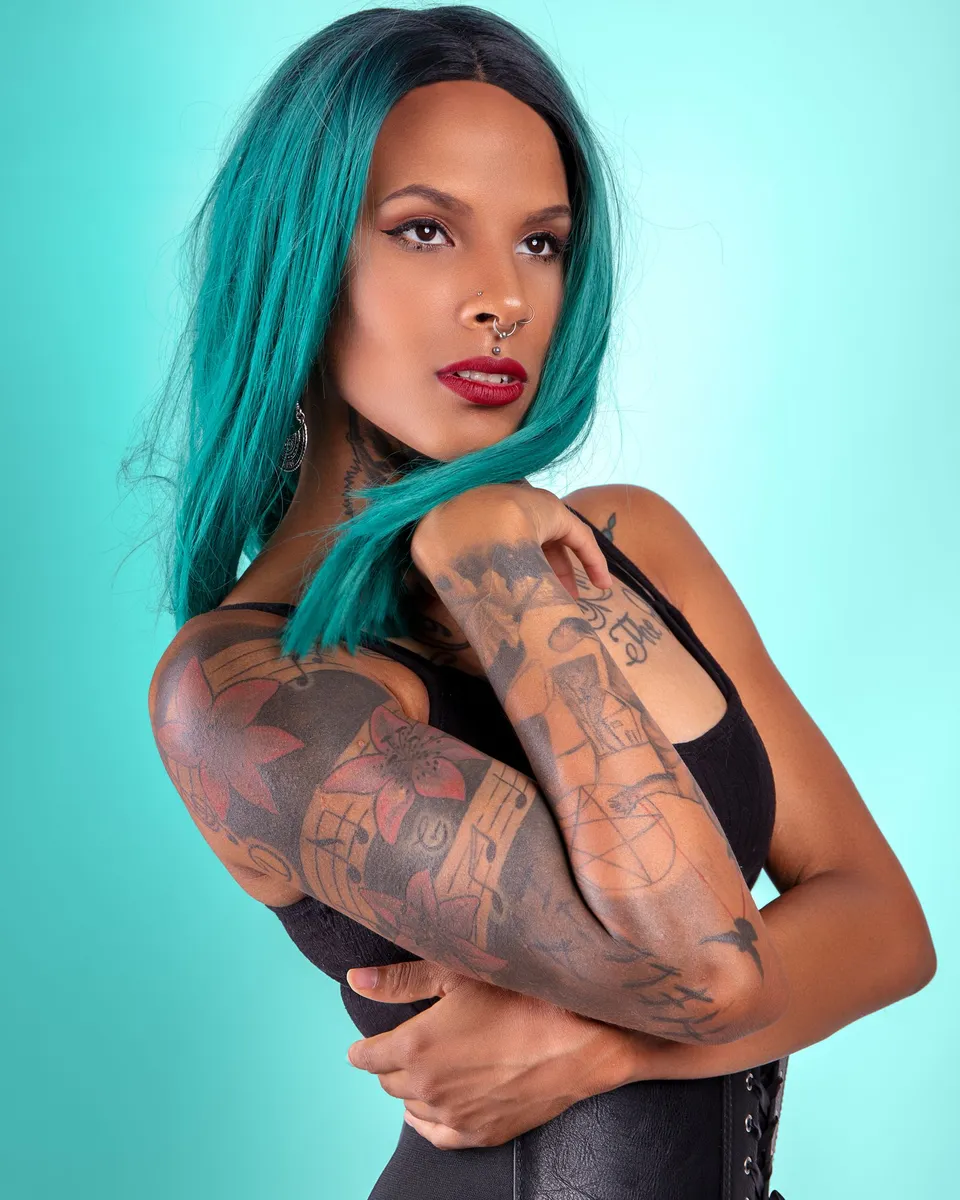
Tattoo and body art
Models with heavy tattoo coverage, scarification or other body modifications. It's one of the largest parts of alt modelling, with work from clothing brands, tattoo publications and conventions, and more and more from mainstream commercial clients who want their campaigns to reflect a wider range of people.
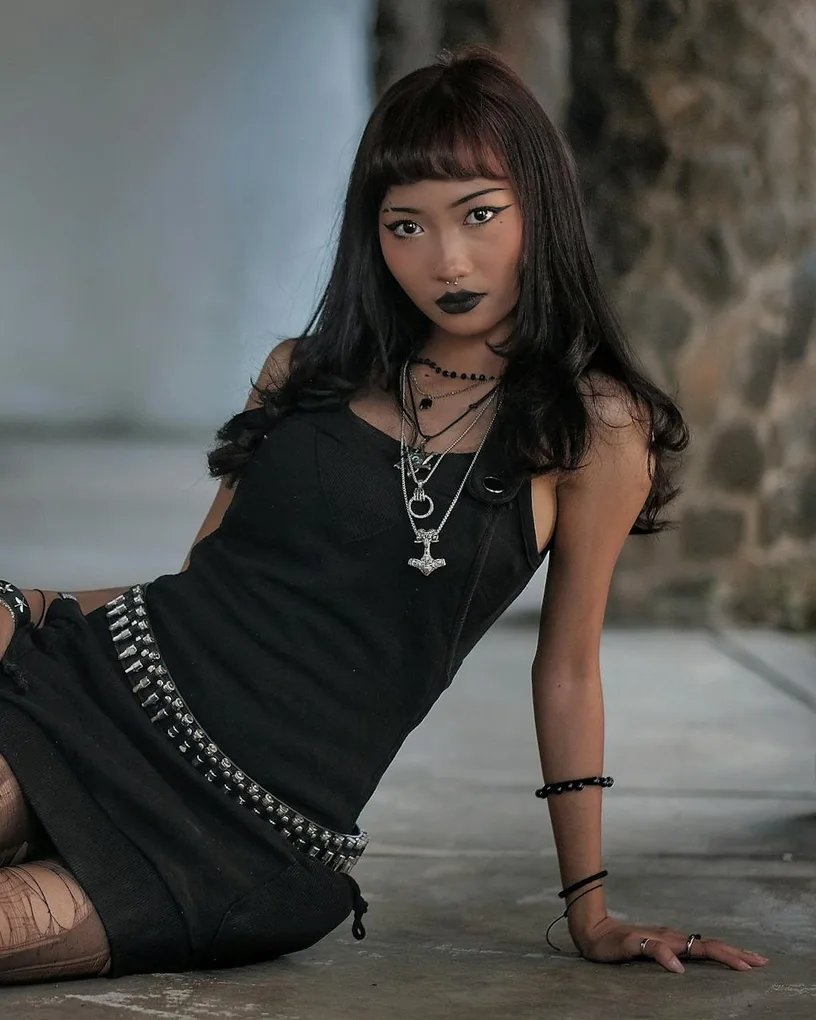
Gothic and dark
Dark styling, dramatic make-up and a moody, atmospheric look. Demand is strong from fashion brands, fine art and editorial photographers, and the music industry. Gothic work tends to draw photographers with a strong personal vision, and some of the most striking pictures in the alt world come out of it.
Pin-up and retro
Looks borrowed from the 1940s and 1950s: victory rolls, red lips, high-waisted silhouettes. The audience is loyal and keen, there's an active competition circuit, and brands in vintage, rockabilly and retro lifestyle book steadily.
Punk and subculture
Mohawks, leather, bold colour and a look that's meant to confront. It comes from music but turns up more and more in fashion, streetwear and creative photography. Punk work goes to models who live the look, not ones wearing it as a costume.
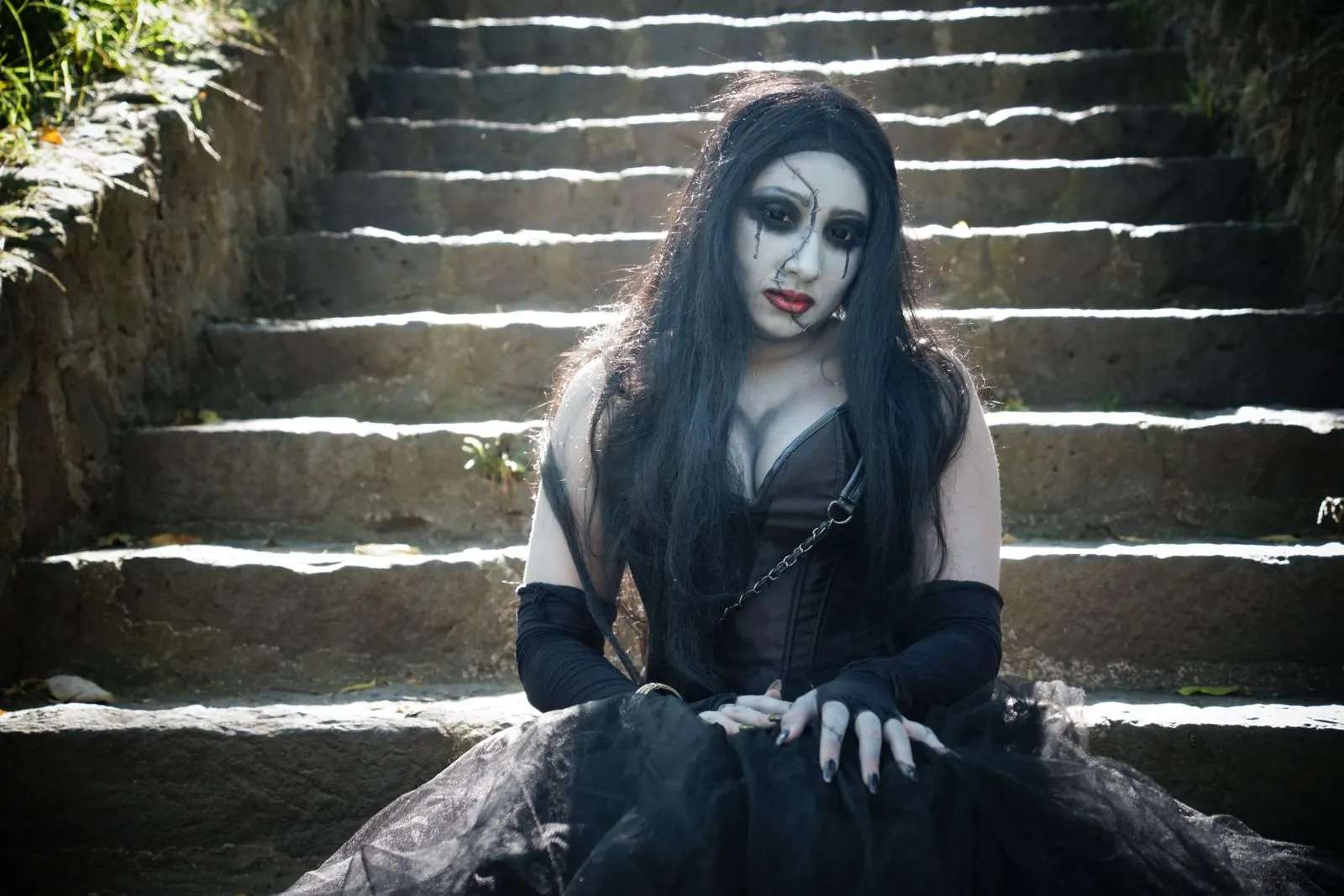
Fantasy and cosplay
Elaborate costume, special effects make-up and shoots built around a character. Most of the demand comes from gaming, entertainment and conventions, plus fine art photography. Expect long sittings in make-up and costume, and shoots that are sometimes physically hard work.
Avant-garde and editorial
Experimental work driven by a concept. It's defined less by a particular look and more by a willingness to take creative risks. This is where alternative and high fashion meet, and some of the most admired editorial work in the industry comes from here.
Plenty of alt models don't fit any one of these, and that's fine. The alternative world rewards a look that's personal and distinctive over a neat fit with a sub-genre. Which box you belong in matters much less than what makes your look worth photographing.
Why it's growing
The market for alt models has grown a lot over the past ten years, and there are a few reasons.
-
Mainstream brands are widening who they book
Brands that wouldn't have looked at an alternative model ten years ago now go looking for them. It isn't tokenism: their customers have changed and their marketing has to show that. Tattoos in particular have gone from counterculture to mainstream in many markets, and brands selling to people with tattoos want models who look like their customers.
-
Social media gives you a direct route in
Alt models have built some of the most engaged audiences on Instagram, TikTok and similar apps. A model with a real following in the scene can get brand partnerships, collaboration requests and paid work directly, without an agency or the usual casting channels. That has opened things up for alt models far more than for mainstream ones, where the old hierarchy is harder to get round.
-
The scene is a market of its own
Tattoo conventions, gothic events, pin-up competitions, music festivals and gaming expos: the alt world has its own events, media, brands and money. Models who are properly part of it can reach work that mainstream models can't.
-
Creative photography is doing well
Fine art and creative photography have grown, as a practice and as a market, and they need models with a distinctive look who can inhabit a concept. Alt models stand out visually and are often more at ease with experimental work, so they're frequently first choice.
Clients who book alt models say it's for the edge and authenticity they bring. Putting a leather jacket on a commercial model doesn't make a punk campaign, and audiences can tell.
Building your portfolio
The usual rules apply: good pictures, range, and pictures that show how you look today. A few things work differently in the alt niche, though.
-
Open with your most distinctive pictures
A mainstream book usually opens with a clean, simple headshot. In alt modelling your most striking, concept-led pictures can go first, and often should. The photographers, brands and clients you're after want to see your look straight away, so don't hide it behind a cautious, conventional opener.
-
Show range inside your own look
Range here doesn't mean proving you can pass as a commercial model. It means showing how far your own look stretches. A gothic model who can be ethereal, intense, playful and editorial, all within a dark look, is more useful to a client, and gets booked more, than one with a single mood. Find photographers who can help you try different sides of it.
-
Include at least one clear headshot
Even in the most experimental book, have one picture that shows your face plainly, without heavy make-up or props in the way. Clients and photographers need to see your features even if they're going to cover them for the actual job. It's your "this is what I'm working with" shot. It doesn't have to be conventional, only clear.
-
Work with photographers who know your niche
A photographer whose portfolio is all clean commercial work is the wrong person for your alt book, however good they are technically. Look for photographers already shooting your kind of look, whose work shows they understand the lighting, mood and styling it needs. TFP is very common in the alt scene, and finding the right people through online communities and platforms is quite doable.
-
Show your look as it really is
Alt models often put a lot into their appearance: tattoos, unusual hair colours, piercings, styling. Don't hide or play these down to look more mainstream. They're what you're selling, and the clients looking for alt models want to see exactly what makes you different.
On SaltBrite, a profile needs five photos before a person reviews it, and it can hold up to 50. Artistic nudity is allowed as long as each such photo is marked, but nothing pornographic or explicit. A marked photo is shown behind a warning and is never used as your main photo, so pick a main photo that works without one.
Finding work
The routes into alt work aren't quite the same as the mainstream ones, and knowing where the work comes from helps you spend your energy where it's likely to pay.
A lot of alt work never appears on a casting site. It comes from people who've met you, shot with you or seen you at an event.
Be part of the community
The alt world is a real community, online and in person. Going to events, getting to know photographers and other models, and being a visible, positive presence where your audience spends its time is one of the most effective things you can do for your career. A lot of the work in this niche comes through personal connections and reputation.
Use social media properly
Instagram and TikTok are where the alt audience is, and a real following there gives you direct access to it. Post regularly, talk to your community, use relevant hashtags, and let your personality show as well as your look. This audience notices quickly when something feels manufactured and switches off. Ten thousand engaged followers in your niche are worth more commercially than a hundred thousand passive ones who don't care what you do.
Alt-specific platforms and casting sites
Some casting platforms and model directories serve the alternative community specifically. Find them and keep an active, current profile on each. They tend to attract the photographers, brands and publications that are actually looking for alt models, which mainstream commercial clients may never be.
Tattoo and alternative events
Tattoo conventions, gothic festivals, pin-up competitions and music events are places to meet people and sources of work in their own right. Many use models for promotional work, stage appearances and representing brands. Turning up where your market gathers puts you in front of jobs that never get listed anywhere.
Approach brands directly
Pick brands whose products and look match yours: alternative clothing labels, tattoo supply companies, body jewellery brands, music-related companies, festival brands. Follow them and take a real interest in what they post. When the time's right, send a short, professional introduction with a link to your portfolio. Alt brands are often easier to reach than big corporate clients, and more likely to reply to someone who's clearly part of their world.
Are there alternative modelling agencies?
Yes. Some agencies specialise in alternative, tattoo and creative models, and some mainstream agencies have alternative divisions or boards. Their clients range from alt fashion brands and tattoo publications to mainstream advertisers who want a less conventional look for a campaign.
Approaching one works much like approaching any agency. Research them carefully, follow their submission process exactly, send a strong portfolio that looks like you, and watch for the same scams you'd find anywhere else. The full process is in how to get signed by a modelling agency.
That said, an agency matters less in alt modelling than in high fashion or big commercial work. Many very successful alt models manage themselves entirely, using their social media and community connections to build a career with no agency at all.
Rates and earnings
Alt rates follow the same rules as the rest of the industry. They depend on your experience, the size of the client, the usage rights and the scope of the job. Modelling rates explained goes through how they work.
Two things are particular to this niche. The alt scene is more collaborative than mainstream commercial modelling and does more TFP, so building a first portfolio involves a fair amount of unpaid work. That's normal and worth doing, as long as the photographers are good and the pictures move your book forward instead of padding it.
As your following and reputation grow, the money can get good, especially from brand partnerships on social media. These sit outside the usual modelling rates and can pay very well for models with an engaged niche audience.
Protecting your boundaries on set
Because the alt scene likes to push creative boundaries, it also draws some people who use "art" as an excuse to cross the line. Your safety and comfort come first, and you have to hold your limits every time.
- Check every photographer before you agree to a shoot: look through their work, ask other models who've worked with them, and look them up online.
- Meet a new photographer somewhere public first, or bring someone with you.
- Say what your limits are before the day, and confirm the concept before you arrive.
- You can turn down anything that wasn't agreed beforehand, especially nudity, physical contact or anything that makes you uncomfortable, however creatively it's framed.
- Trust your instincts. The alt world has plenty of good photographers and collaborators, and it also has people who use its looser conventions as cover for behaviour that isn't acceptable.
Making it last
The best alt careers rest on a distinctive look, a real connection to the scene, and being consistently easy and professional to work with. The look gets you noticed. The connections keep work coming. Professionalism turns that work into a reputation that lasts years instead of months.
Keep developing your look on purpose, without chasing trends. Keep doing collaborative shoots that push your book on, and keep turning up where your community gathers. Treat every photographer, brand and client as the start of a working relationship, not a one-off. The models who last in this world are usually the ones who were part of it to begin with, living the look rather than performing it.
Questions people ask
What is alternative modelling?
An umbrella term for looks and niches that sit outside mainstream commercial and high fashion modelling. It includes tattoo and body art, gothic, pin-up and retro, punk, fantasy and cosplay, and avant-garde editorial work. Plenty of alt models don't fit any one of these.
Do alternative models need an agency?
Not always. There are agencies that specialise in alternative, tattoo and creative models, and some mainstream agencies have alternative boards. But an agency matters less in alt modelling than in high fashion, and many successful alt models manage themselves through social media and community connections.
What should an alternative modelling portfolio include?
Your most striking, distinctive pictures can open it. Show range within your own look, and include at least one clear headshot without heavy make-up or props. Don't hide tattoos, piercings or hair colour, and work with photographers who already shoot your kind of look.
How do I stay safe on an alternative shoot?
Check every photographer's work and ask models who've worked with them. Meet somewhere public first or bring someone. Agree your limits and the concept before the day. You can turn down anything that wasn't agreed beforehand, especially nudity or physical contact.
Join SaltBrite
Put your book where it can be seen
Join as a model, add five photos and a person reviews your profile before it goes live.
Join as a model