How agencies work, what they look for and how you get their attention is a lot duller than the films make it look, and it leans heavily on ordinary business manners. What follows covers a submission that won't get deleted on sight, how to spot a fake agency, and what happens once you've signed.
What an agency does for you
Before you go after representation, be clear about what an agency will and won't do. Expecting the wrong things leads to a lot of disappointment on both sides.
What an agency does
- Puts you forward for castings and briefs from its clients
- Negotiates your fees and usage rights for you
- Handles contracts and invoicing
- Advises on your look, the direction of your portfolio and your career
- Gives you credibility, and access to clients who only book through agencies
What it doesn't do
- Guarantee you work. It submits you; the client chooses.
- Build your career for you. You still have to turn up and do the job well.
- Give you a strong portfolio. That part is yours.
- Work for you alone. Most agencies represent dozens or hundreds of models.
- Pay you in advance. You're paid after a job, never before.
Think of an agency as a business partner. It works best when both sides put something in: the agency brings the opportunities, and you bring professionalism, reliability and results.
Do you need an agency at all?
It depends on the work you want. For high fashion, major commercial campaigns and runway, representation is close to essential, because the biggest clients don't deal with models who have no agent. For commercial, alternative, fitness and freelance work, going it alone is perfectly workable and often the better choice, and plenty of models work their whole career without an agency. How to find modelling jobs covers booking yourself.
So before you spend a lot of time chasing one, ask whether the work an agency would get you is the work you actually want. If it is, read on.
You don't need an agency to join SaltBrite. If you do sign with one later, a model profile has a field where you can name it.
Finding the right agencies to approach
Sending your pictures to every agency you can find wastes everyone's time. Agencies have clear looks and niches, and if you sign with the wrong kind you'll get very few bookings even though they took you on.
-
Look for agencies in your niche
Go through the models already on an agency's books. Is there a clear look? Do any of them look like you? Does the agency mostly work in the area you're aiming for, whether that's fashion, commercial, alternative, fitness or plus size? An agency built on high fashion runway is the wrong place for someone whose strength is commercial lifestyle work, and the other way round.
-
Check its reputation
Search the agency's name with words like "reviews" and "experiences", and look for it on modelling forums. Talk to models who have worked with it if you can. A reputable agency has a record you can check: real models placed in real jobs you can find. Be wary of one with little online beyond its own website, no client list you can verify, and no models willing to talk about it.
-
Read its submission requirements
Most agencies publish how they want to be approached. Some use an online form, some prefer email, some hold open call days. Read each one's requirements carefully and follow them exactly. It's the first test of whether you can take direction, and agencies notice when someone hasn't bothered.
-
Be realistic about distance
An agency can only really work with models who can get to castings and jobs in its market. If you live in a smaller city, a big-city agency may not be practical however strong your look is. Look at agencies in places you can actually get to, and decide whether you'd move for a serious offer.
What agencies are looking for
Everyone wants this answered, and the answer has more to it than most people expect.
The look
Appearance matters, but agencies aren't all after the same thing, and the industry has widened a lot in recent years. Traditional high fashion agencies still have strict rules on height and measurements. Commercial agencies want relatable, approachable faces across a much wider range of types. Alternative agencies want striking, individual features and a distinct style. Plus size agencies have their own measurements and requirements. The question isn't whether you're conventionally attractive. It's whether your particular look fits what one particular agency's clients are buying right now.
The portfolio
It has to show your range, that you can take direction, and how you come across on camera. Eight to fifteen strong, varied pictures is the right number when you submit; a handful of excellent shots tells them more than thirty mediocre ones. If you wouldn't be proud to show your book to anyone yet, keep building it before you send it out. There's more on that in how to build a modelling portfolio.
How you conduct yourself
Agencies sign people they're going to put in front of clients. How you write your submission, how quickly you answer when they get back to you and how you come across if they ask to meet are all judged alongside your look. A model who is hard to reach, vague about when they're free or sloppy in their messages causes trouble with the agency's clients. Someone easy to work with and reliable is worth having wherever their look sits.
A gap on their books
Timing and fit matter in ways that have nothing to do with you. An agency that already has ten models who look a lot like you may not sign an eleventh, however good you are, because its clients only want so many of that type. One that is trying to widen its roster may be far keener. That's one reason to approach several agencies at once rather than one at a time.
If you can't follow the instructions on an agency's website, they'll assume you can't follow a client's call sheet either.
That is how a lot of agencies read a submission that ignores their rules, and it goes straight in the bin.
Putting your submission together
Your submission is your first impression. It needs to be clean, complete and professional, and it has to follow the agency's stated requirements to the letter.
What to send
- A natural, unretouched headshot in natural light, with very little make-up and your hair off your face. It's the most important picture you send, because agencies want to see what you look like without heavy editing and styling.
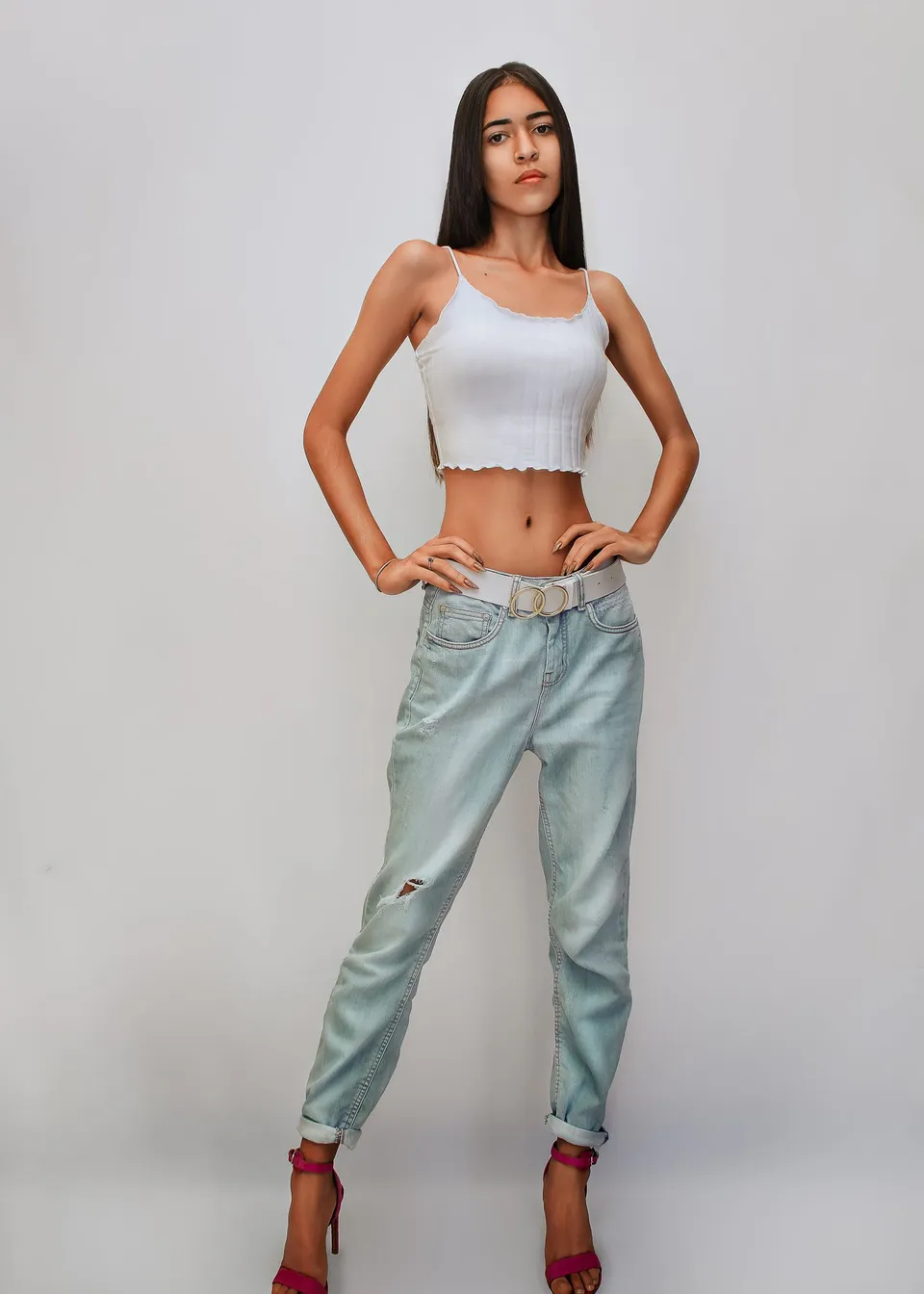
- A full-length shot that shows your natural proportions, posture and body language. Keep it simple.
- Two or three more pictures that show range: different moods, looks or styles, so they can see you do more than one thing.
- Your stats: height, bust, waist and hips, dress size, shoe size, hair colour and eye colour. Get them right. Agencies check, and wrong stats cause problems.
- Your age and where you live.
- A short, professional note of two or three sentences about you, your experience and what you're looking for. Not your life story.
- A link to your full portfolio, if you have one.
What to leave out
- Heavily edited or filtered pictures.
- Selfies or poor phone shots as your main pictures.
- A long cover letter about how you've always wanted to model.
- Pictures several years old that no longer look like you.
- Video, unless the agency has asked for it.
After you submit
Most agencies get a very large number of submissions and reply to a small share of them. Silence is the usual answer, and it means no. It doesn't mean never, though: your look, your timing and what the agency needs all change.
Apply to several agencies at once
Nothing in the industry says you shouldn't, and waiting to hear from one before trying the next wastes months. Send to every agency on your list at the same time and deal with the replies as they come.
Follow up once
If you've heard nothing after four to six weeks, and the agency's website doesn't say how long replies take, one short, polite follow-up is fine. Something like: "I submitted on [date] and wanted to check whether you'd had a chance to look at my application." More than one becomes pestering and won't help you.
If they ask to meet you
An invitation to meet, in person or on a video call, is a good sign but not an offer. Be on time and dress simply and well, with no heavy styling hiding what you look like. Expect basic questions about your experience, when you're available and what you want. Ask your own too: how they work with new models, what kind of bookings they usually handle, and what happens next. You're deciding whether they suit you as much as they're deciding about you.
Read the contract before you sign
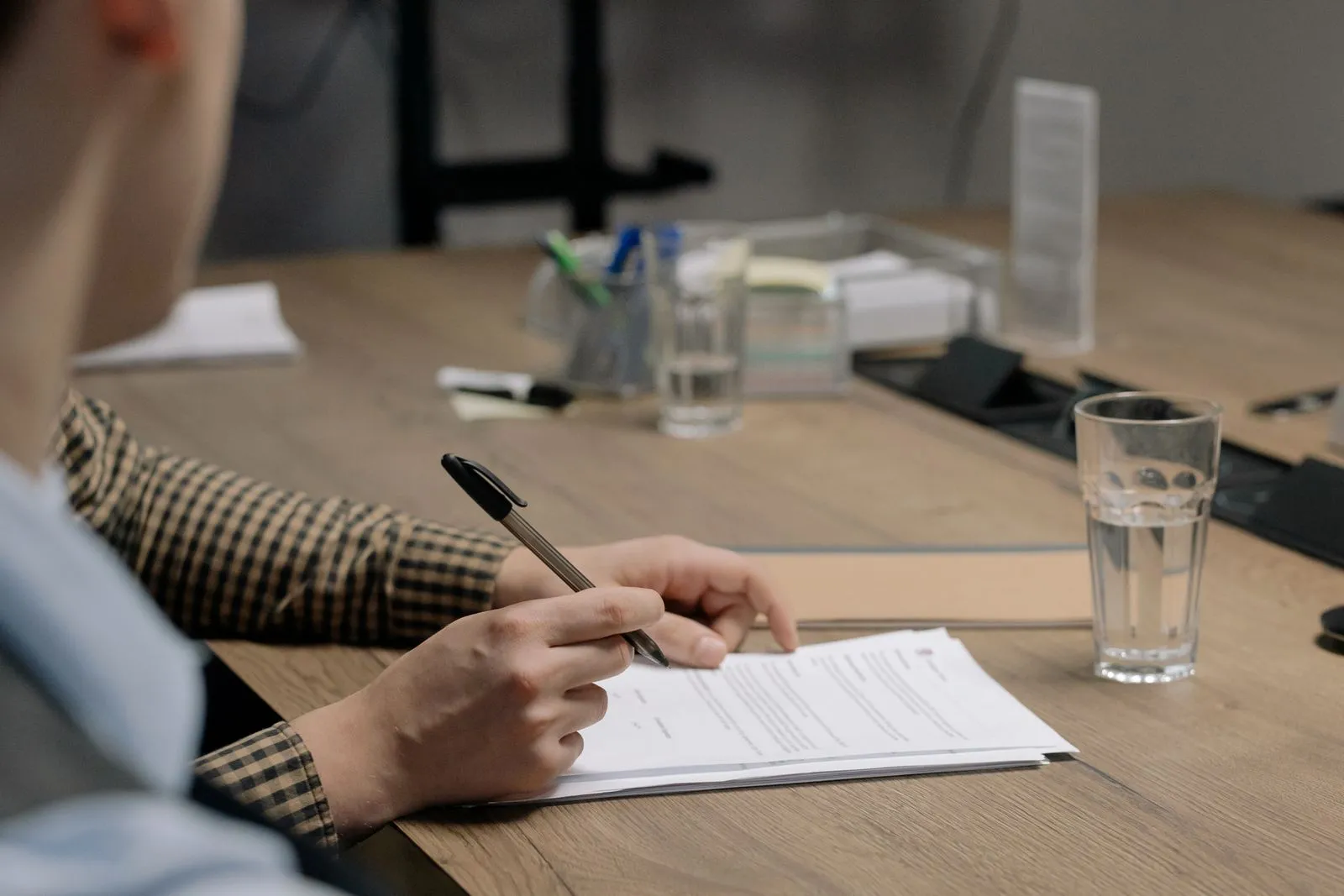
An agency contract sets the terms between you: the commission, exclusivity, how long it runs, and what happens if either of you wants out. Read all of it before you sign. Look hard at any exclusivity clause (does it stop you working with other agencies?), the length of the contract and anything you'd have to pay. If something isn't clear, ask. If the agency pushes back when you want time to read and understand it, treat that as a serious warning.
Red flags and scams
Agencies draw far more than their share of frauds who feed on people's wish to be signed. Walk away straight away if you see any of these.
- A fee before you sign. Real agencies make their money from commission on your bookings. They don't charge models to join their books, to appear in their portfolio or to see their castings. Any request for money up front is a scam.
- Pressure to pay for a shoot with their "recommended photographer". This is a common set-up where the agency and the photographer work together and the shoot fee is the real business. Build your portfolio before you approach agencies, with photographers you chose yourself.
- Promises of work or income. No real agency can guarantee bookings, because the work depends too much on taste and on what clients want. An agency promising a set number of jobs or a set income isn't being straight with you.
- No clear client list. A real agency can point to clients and placements you can check. If one can't or won't tell you who it works with and where it has placed models, there's a reason.
Once you're signed
Signing is the start of the relationship, not the finish. Most new signings don't book work straight away. There's a stretch of portfolio building, go-sees and casting submissions first, and it can take weeks or months.
Keep in regular touch with your booker and keep your availability up to date. Answer castings quickly, and add new pictures to your book as they come in. Keep building your own skills and name as well. The models who do best with agencies treat representation as one part of their career rather than the whole of it, and they expect to hear no a lot along the way.
Questions people ask
Do you need an agency to be a model?
It depends on the work. For high fashion, major commercial campaigns and runway, representation is close to essential because the biggest clients don't book models without an agent. For commercial, alternative, fitness and freelance work, plenty of models work their whole career without one.
What should I send to a modelling agency?
A natural, unretouched headshot, a simple full-length shot, two or three pictures that show range, accurate stats, your age and where you live, a short note of two or three sentences, and a link to your portfolio if you have one. Follow each agency's own submission rules exactly.
How long should I wait before following up with an agency?
Four to six weeks, unless the agency's website gives its own timescale. Send one short, polite follow-up. No reply at all usually means no for now, and more than one follow-up won't help.
Should a modelling agency charge me a fee?
No. Real agencies make their money from commission on your bookings. A fee to join their books, to appear in their portfolio or for a shoot with their recommended photographer before you've signed is a scam.
Join SaltBrite
Put your book where it can be seen
Join as a model, add five photos and a person reviews your profile before it goes live.
Join as a model