Steady bookings take hustle and a hard-headed plan, and it helps to know where the people who decide actually hang out. If you're still putting your first pictures together, read how to build a modelling portfolio first.
How modelling work gets booked
Work reaches models by two routes, and you go after each one differently.
Through an agency
A signed model has an agency doing most of the outreach. It puts you up for castings, negotiates your rate, handles contracts and takes a commission, usually 15% to 25% of your fee. You get clients and budgets you'd never reach alone. You also get less say over what you're put forward for, and when.
Booked yourself
Freelance models find their own jobs through casting platforms, social media, approaching brands directly and word of mouth. You keep more of what you earn and choose what you take on. Finding the work is entirely down to you, though, and that takes real time, most of all at the start.
Most working models use both at different points: an agency for higher-end commercial work and self-booking for everything else. You don't have to pick one. If you want an agency, how to get signed by a modelling agency covers finding one and what to send.
Where to find modelling jobs
These are the places the work turns up in 2026.
-
Casting and model platforms
These sites carry casting calls, open submissions and briefs from photographers, brands and production companies. Some are big and international, others stick to one genre such as alternative, fitness or commercial. Quality varies a lot: some listings are properly paid and others are TFP or low-budget. Read every brief before you apply, and never pay to see listings. A legitimate casting site is either free or charges a subscription. None of them charge per application.
-
Social media, Instagram above all
Instagram is still the strongest way for a model to market themselves. Brands, photographers and creative directors scout on it through hashtags, location tags and the explore page. A profile with clear, good-quality pictures and a consistent look brings in enquiries without you chasing anyone.
It's also where you spot openings. Follow the brands in your niche and comment on their posts when you've got something to say, so that when they announce a campaign or an open casting, they already know your name.
-
Approaching brands and photographers directly
Most models barely use this, and it's one of the routes that works best. Find brands whose look matches yours, work out who handles their marketing or content, and send a short, professional message with a link to your portfolio. Most won't answer. Some will, and they often become repeat clients because you've already shown you fit.
Photographers work the same way. Get to know a few who shoot regularly for commercial clients and you'll hear about jobs that are never advertised.
-
Open castings
Brands, retailers and production companies sometimes hold open castings where anyone can turn up and be seen. You hear about them through agency networks, brands' social accounts and local creative groups. There are fewer than there used to be, but they're worth going to. Take your portfolio on your phone, a comp card if you have one, and wear something plain that shows your shape without drawing the eye.
-
People you've already worked with
Plenty of the best jobs are never listed at all. They come from a photographer you've shot with, another model you met on set, or a make-up artist who mentions you to a client. Time spent on real working relationships pays back over the years in a way a pile of cold applications never does.

How to pitch yourself
Whether it's a casting call, a brand or an agency, the way you present yourself counts as much as the way you look. A weak pitch gets ignored however good the portfolio behind it.
A short, plain bio
Three or four sentences. It's an introduction, not your life story. This order works:
- who you are and how much experience you have
- the kind of work you do best or are looking for
- a line on how you work, or what makes you easy to have on set
- where you're based and when you're free.
Write each application for the person reading it
Generic applications get ignored. Mention something about the brand or the brief: why their look appeals to you, a campaign of theirs that suits you, what you'd bring to the job they've described. It takes two extra minutes and it's the difference between being remembered and being deleted.
Put your portfolio link where they'll see it
Every message should get the reader to your work straight away. Give a direct link to your portfolio or your strongest pictures near the top, not at the bottom and not as an attachment that might not open. One click and they should be looking at your best work.
A professional attitude often matters more than looks, too. A production team will happily rebook a good model who turns up on time and delivers the brief over a stunning one who is hard work on set.
What clients are looking for
It's easier to pitch well when you know what a client is weighing up while they choose.
Does the look match the brief?
This is the first filter and most of it is out of your hands. Either you fit what they want or you don't. Don't try to be everything. Go after the clients whose style is close to yours already.
How professional do you seem?
Clients are often choosing between models who look alike, and professionalism nearly always decides it: a tidy, well-organised portfolio, a quick and clear reply, social media that doesn't worry anyone. All of it says you'll be easy and reliable to work with.
Can you take direction?
This matters most in commercial and editorial work. When the photographer or art director asks for an expression or a pose, they want it without ten minutes of coaching. You prove it over time, and a portfolio with a range of styles and moods is part of how.
Do you have reviews or references?
As your career goes on, the references you collect become one of the most useful things you own. Ask every client and photographer you work with for a short written review you can use. Most are glad to, and it makes a real difference to the next booking.
Rates, and when to work for free
People in the industry argue about this constantly and there's no single right answer. Most experienced models end up somewhere like this.
Free or TFP makes sense when
- you're building your portfolio and need the pictures
- the photographer has a strong portfolio and a real following
- the pictures are for portfolios only, not for sale or commercial use
- you're trying a style or niche you haven't shot before
Always charge when
- the pictures will be used commercially: advertising, selling products, promoting a brand
- the client has a budget (most do, even when they say they don't)
- you're experienced and your portfolio is already strong
- the job needs a lot of time, travel or preparation
On SaltBrite, photographers say on their profile whether they work paid only, will do TFP as well, or decide job by job, so you know where you stand before you get in touch.
Setting your rate
When you're starting, find out what models at your level charge where you live. Day rates for entry-level commercial work usually run from £150 to £400, and they go up a long way with experience and usage rights. Usage (where the pictures appear, for how long and in what context) should always go into your price. A picture on a brand's website for a year is worth more than one used in a single social post. Modelling rates explained goes through the numbers.
Say your rate plainly. A client who pushes hard against a reasonable rate often isn't worth having. The ones who respect your time and pay properly are the ones who tend to stay.
Repeat bookings are the real goal
The first booking is hard. The tenth is much easier, as long as you handled the first nine well. Modelling runs on relationships and reputation, like most creative work. A client who enjoyed working with you books you again, sends other clients your way, and ends up worth more to your career than almost anything else. New models spend most of their time chasing new clients. Models who last spend it looking after the ones they already have.
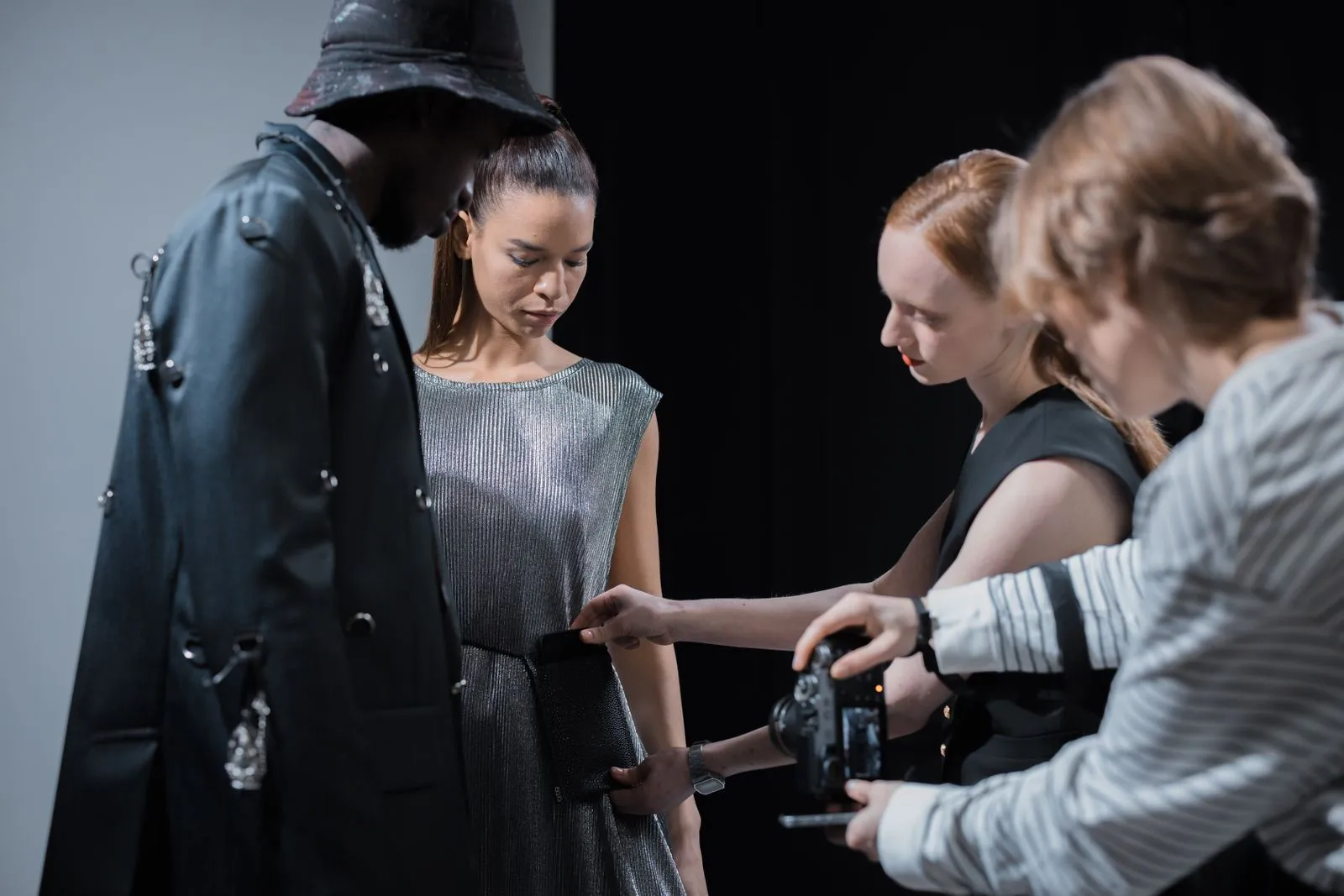
What gets you rebooked is simpler than people think:
- arrive on time, prepared and ready to work
- be easy and cheerful to have on set
- give them what the brief asked for, then a little more
- send a short thank-you after the shoot and say you'd like to work together again
- keep in touch now and then (a real comment on a brand's new campaign keeps you in mind without being pushy).
New models spend most of their time chasing new clients. Models who last spend it looking after the ones they already have.
When work goes quiet
Every model has slow patches, established ones included. How you use them often decides whether a career lasts or fades out after a year or two.
Book TFP shoots to keep your portfolio fresh. Research new brands and photographers for your outreach list. Work on your social media. Take a class in posing, acting or movement if you haven't yet. The models who keep building through the quiet months come out of them in better shape than they went in.
Questions people ask
How much commission does a modelling agency take?
Usually between 15% and 25% of your fee. In return the agency puts you up for castings, negotiates your rate, handles contracts and gets you in front of clients and budgets that are hard to reach alone.
Should I pay to join a casting site?
Never pay to see listings or per application. A legitimate casting site is either free or charges a subscription. Read every brief before applying, because some listings are paid work and others are TFP or low-budget.
How much do entry-level models charge?
Day rates for entry-level commercial work usually run from £150 to £400, and rise a long way with experience and usage rights. Where the pictures appear, for how long and in what context should always go into your price.
When is it worth working for free or TFP?
When you need the pictures for your portfolio, the photographer has a strong portfolio and a real following, the pictures are for portfolios only, or you're trying a new style. Charge whenever the pictures will be used commercially or the client has a budget.
Join SaltBrite
Put your book where it can be seen
Join as a model, add five photos and a person reviews your profile before it goes live.
Join as a model